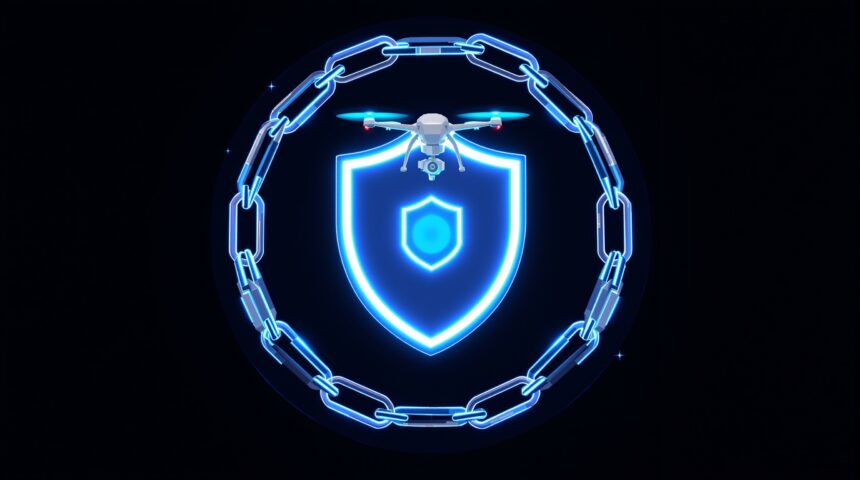
The U.S. Army is about to field a swarm of new drones, and it wants to make sure they aren’t flying on a stack of security nightmares. That’s where SpiderOak comes in. The cybersecurity firm just landed a contract with the Army’s Unmanned Aircraft Systems project office to tear apart the supply chains and software of multiple vendors participating in the Drone Dominance Program (DDP).
Drone Dominance Demands Digital Trust
The DDP is the Army’s push to rapidly field cheap, disposable drones at scale. But speed and cost are a dangerous combination when your hardware is flying over contested territory. SpiderOak will apply its Advanced Cyber Threat & Resilience Assessments (ACTRA) methodology to each platform, digging into hardware, firmware, software, and component provenance. The goal is simple: find the vulnerabilities before an adversary does.
This isn’t a rubber-stamp exercise. The assessments will validate compliance with strict U.S. Government requirements—think NDAA supply chain restrictions and NIST cybersecurity frameworks. SpiderOak’s job is to give program managers the technical evidence they need to make informed risk decisions before a single drone takes flight.
What’s Actually Under the Hood
SpiderOak will conduct deep technical evaluations across every layer of each unmanned system. That means tracing where every chip came from, auditing the firmware for backdoors, and stress-testing the software for resilience in a contested electromagnetic environment. The company’s CEO, Kip Gering, framed it bluntly: as unmanned systems scale, the integrity of their cyber and supply chain foundations becomes mission critical.
The contract signals a broader shift. The military is no longer just buying hardware; it’s buying trust in a digital supply chain that spans dozens of vendors, some of them small and inexperienced with federal security standards.
What This Means for the Drone Race
SpiderOak’s win is a bellwether for the entire defense drone ecosystem. As the Army moves toward fielding thousands of low-cost UAS, the bottleneck won’t be manufacturing—it will be certification. Every new platform will need to pass this kind of gauntlet before it can fly in a contested environment. Expect more contracts like this, and expect vendors to start baking in cybersecurity from day one. The era of fielding first and patching later is over.
—
*Originally reported by [SatelliteToday Cyber](https://www.satellitetoday.com/cybersecurity/2026/03/19/spideroak-wins-new-uas-systems-contract/). Adapted and republished with editorial context for SpaceSecurityNews.*