

The Space Force wants several different technical answers to the problem of tracking aircraft from orbit, and it just paid for more of them. A second task order under the SB-AMTI program spreads $615M across Rocket Lab, Virginia-based Systems & Technology Research and an unnamed third vendor.
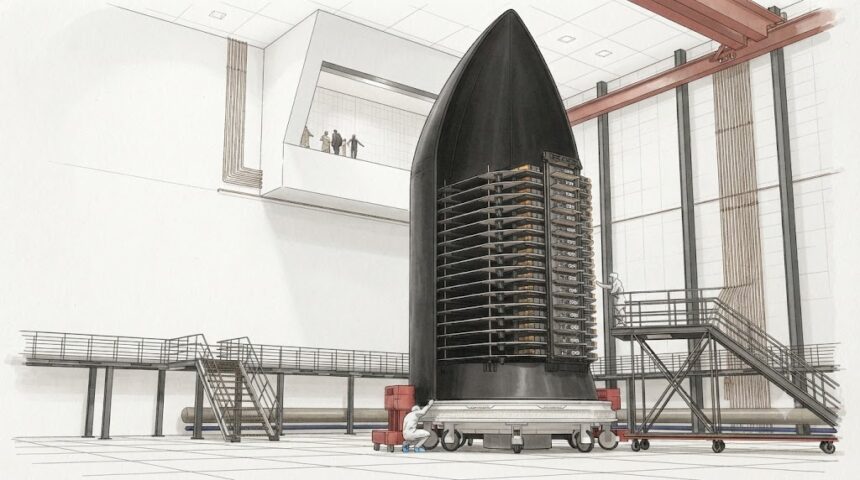
Rocket Lab takes the largest slice at $397M, covering development, launches and operations of its Flatellite bus, a flat satellite design the company says is built for mass production, pairing onboard sensors with fast, high-throughput communication links. The spacecraft will fly on the firm’s Neutron rocket and be run from secure ground facilities.
The architecture’s job is to pick up and hold targets that move through the sky, including fighters, bombers, cruise missiles and possibly hypersonic weapons, using orbital sensors, comms links and ground processing to keep tracks current.
Col. Ryan Frazier, the Space Force’s acting acquisition executive for space-based sensing and targeting, framed the award as a deliberate diversification move. He said the service is exploring fundamentally different ways to deliver airborne moving target indication rather than locking into a single design.
The task order follows the $4.16B SpaceX award in May that set the program’s initial baseline. Surveillance aircraft are hard to keep near contested airspace, where missiles and air defenses can reach them, so a proliferated constellation can watch those zones without risking crews. STR, which pairs commercial spacecraft with advanced signal processing for DARPA programs, brings sensor and AI experience to the mix.