

Federal agents did not investigate two oil tankers from an office. They went out and climbed aboard them at sea.
Coast Guard personnel and FBI agents boarded the Texas-bound vessels last month, officials said, after attacks struck both ships while they were under way. The better-documented case is the VL Prosperity. That ship is a Liberian-flagged crude carrier of 1,093 feet, and it was bound for Galveston with about 2.3 million barrels of oil aboard.
Rear Adm. Amy Grable runs Coast Guard Cyber Command. Her teams went through the ship’s information technology and other onboard systems, she told CBS News, and they found malicious activity. Highly connected vessels, she said, are vulnerable to cyber threats. A compromised ship could even end up blocking a waterway.
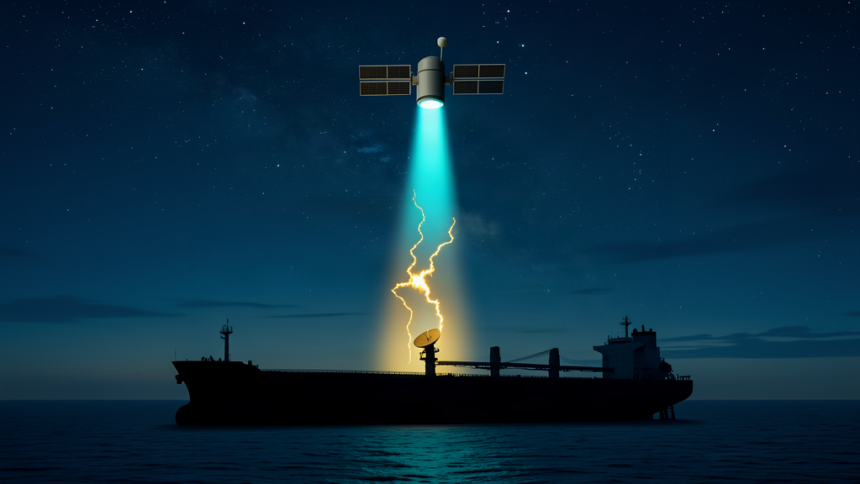
The satellite link is the uncomfortable part. On some ships, the connection to orbit shares a network with navigation, propulsion, steering and ballast, with little more than a firewall in between. Iranian state media claimed hackers got into the VL Prosperity’s engine room and silenced communications for about 30 hours, after an Aug. 7 incident near the Strait of Gibraltar.
Washington has not publicly blamed Iran, and investigators are still working out whether the two attacks are linked.
About $5.4 trillion in commerce moves through U.S. ports each year. A compromised tanker approaching one of them is a physical danger, not a data breach.



