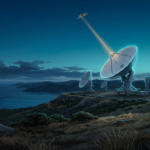


Australia’s Defence Force is trialing a university-built telescope to see whether ground-based optical sensors can strengthen its view of orbital traffic. The Viper telescope, developed by UNSW Canberra Space, is being tested with automated tasking and analysis under the partnership.
Space domain awareness, the ability to detect, track and identify objects in orbit, has become a priority for Canberra as tens of thousands of objects circle the planet. Active satellites and debris alike can disrupt the services that governments, industry and civilians rely on.
Alexander Cave, the Defence deputy director for space domain awareness, called the trial a probe into how automated optical sensing can support everyday operations. Defence wants to know what it takes to run a sensor network that flags objects posing a hazard to other space users.
The trial also examines the support structure needed to keep such a sensor network running. Australia has been expanding its space surveillance role alongside allies, and Defence says the effort supports the long-term sustainability of allied operations.
Optical telescopes like Viper offer a cheaper complement to radar, watching the higher orbits where radar coverage thins out. The results could shape how Australia and its partners monitor a domain that now underpins much of modern warfare.