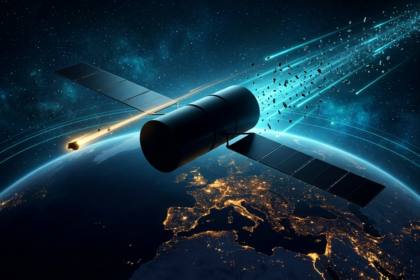


The inaugural CYSAT Asia conference convened in Singapore this week, gathering senior cybersecurity leaders from across the global space industry to address a rapidly escalating threat landscape for satellite systems and space infrastructure. Hosted by the European Space Agency and supported by regional partners, the event marked the first dedicated space cybersecurity summit in Asia, signaling a strategic shift in how the industry is approaching orbital defense.
Asia’s Growing Role in Space Security
CYSAT Asia was designed to bridge a critical gap in regional collaboration, as Asia’s space sector expands with new commercial constellations, national space agencies, and emerging launch capabilities. The conference brought together chief information security officers, government officials, and technical experts from organizations including the Singapore Space and Technology Association and major satellite operators.
Discussions centered on the unique vulnerabilities of space assets, which face threats ranging from signal jamming and cyber-physical attacks to supply chain compromises affecting ground stations and onboard software. The event’s location in Singapore was strategic, reflecting the city-state’s ambition to become a hub for space cybersecurity governance and incident response coordination.
Key Themes: Supply Chain Risk and Quantum Threats
A major focus of the summit was the growing complexity of supply chain security for satellite components, which often involve multiple international vendors with varying security postures. Presenters highlighted that even a single compromised chip or software library can cascade into system-wide failures across an entire constellation.
Another pressing topic was the impending impact of quantum computing on existing encryption standards. Several sessions examined post-quantum cryptography migration paths for satellite communications, with experts warning that current cryptographic protections for command-and-control links could be rendered obsolete within a decade. The conference also featured live demonstrations of attack simulations on satellite ground segments, underscoring the tangible nature of these risks.
Industry Response and Forward Look
CYSAT Asia concluded with a call for standardized security frameworks across the space sector, including shared threat intelligence platforms and cross-border incident response protocols. Organizers announced plans to make the conference an annual event, reflecting the industry’s recognition that cybersecurity must be embedded into satellite lifecycle management from design through decommissioning.
This summit represents a turning point: as space becomes a contested domain, the security of orbital assets is no longer solely a technical concern but a strategic imperative for commercial operators and governments alike. The conversations in Singapore will likely shape procurement requirements and regulatory expectations across Asia for years to come.
— Originally reported by Taiwan News. Adapted and republished with editorial context for SpaceSecurityNews.