
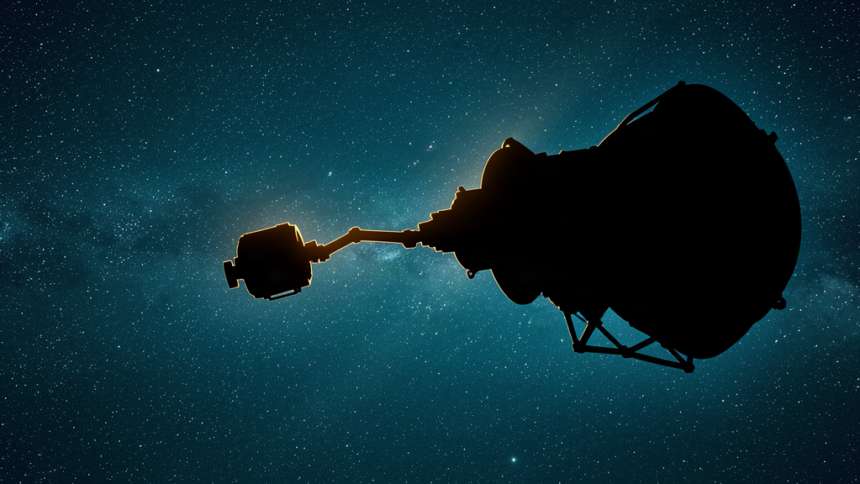
Katalyst Space says it is winning a slow fight to stabilize a servicing spacecraft that spun out of control during commissioning, keeping alive a $30M mission to rescue NASA’s aging Swift observatory.
The Link spacecraft, launched July 3 on a Pegasus rocket, entered a multi-axis spin weeks into post-launch checkouts after two of its three reaction wheels failed and its reaction control thrusters were left only partially working. Recovery crews cut the body rate from about 9 degrees per second to 1.47 degrees per second, using one electric thruster and consuming less than 100 grams of propellant.
The company plans to upload a significant flight software update in the coming days to regain attitude control in the spacecraft’s current configuration, then resume the trek toward Swift. Arrival is now expected in late August, a few weeks behind schedule.
The stakes are steep for the 22-year-old observatory. Swift cannot raise its own orbit, and without help it would deorbit late this year or early next year. Time is the enemy: the telescope crosses below roughly 300 kilometers no earlier than October, and the orbital boost has to happen before that descent begins.
NASA has called the mission high-risk. For Katalyst, it is also the company’s first attempt to grapple and boost another satellite, and the outcome carries weight beyond astronomy: militaries are eyeing the same on-orbit servicing and rendezvous techniques for refueling, repair, and interception missions, making spacecraft control reliability a national security concern.
Katalyst has not disclosed how much fuel remains or what caused the failure.