
European researchers are building new tools to see where GPS and other navigation signals are being jammed or spoofed, as interference incidents climb sharply worldwide.
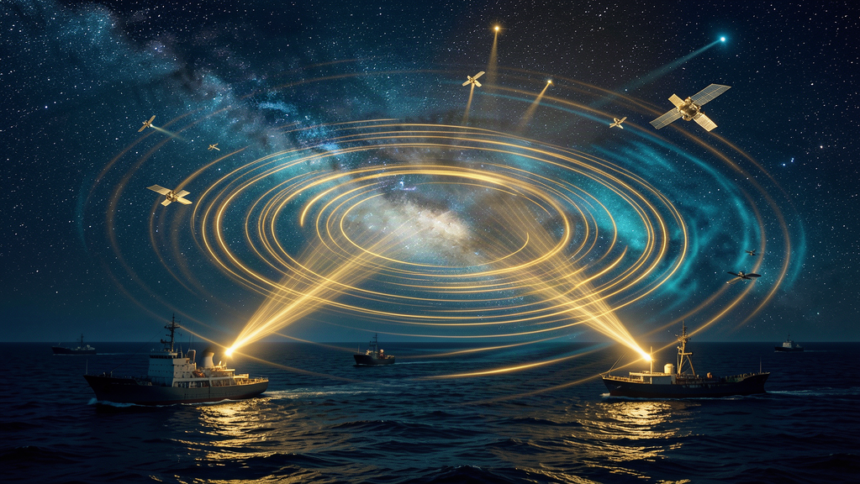
The European Space Agency says more than 10,000 ships were hit by malicious signal interference in the second quarter of 2025, an eightfold jump from the first quarter. Satellite navigation underpins about 10% of European GDP, and jamming can knock out fire-safety systems, emergency beacons and power-grid equipment tied to GNSS timing.
ESA’s Navigation Innovation and Support Programme is backing three detection efforts. Norway’s SINTEF research centre built ARFIDAAS, which monitors Galileo, GPS and GLONASS frequencies in near real time. Stations in Amsterdam and Trondheim helped trace interference that hit Europe, Greenland and Canada back to a Russian military satellite system.
Austrian firm Dimetor taps receivers already sitting in mobile telecom towers. The approach turns cell networks into country-wide interference sensors, covering stretches where pilot reports leave blind spots. Swiss startup onocoy trains AI on spoofed signals so its decentralised network of correction stations can flag fakes, a service aimed at autonomous systems and high-accuracy logistics.
ESA leads the EU’s navigation resilience push, hardening Galileo and EGNOS while trialling new techniques at its Jammertest gatherings. The agency argues resilient positioning, navigation and timing services now count as critical infrastructure protection.