What survives a detonation in low orbit
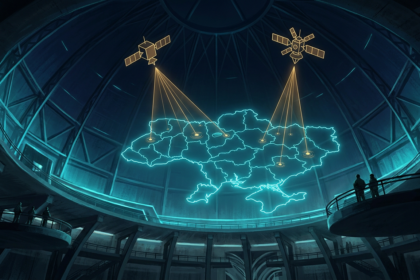
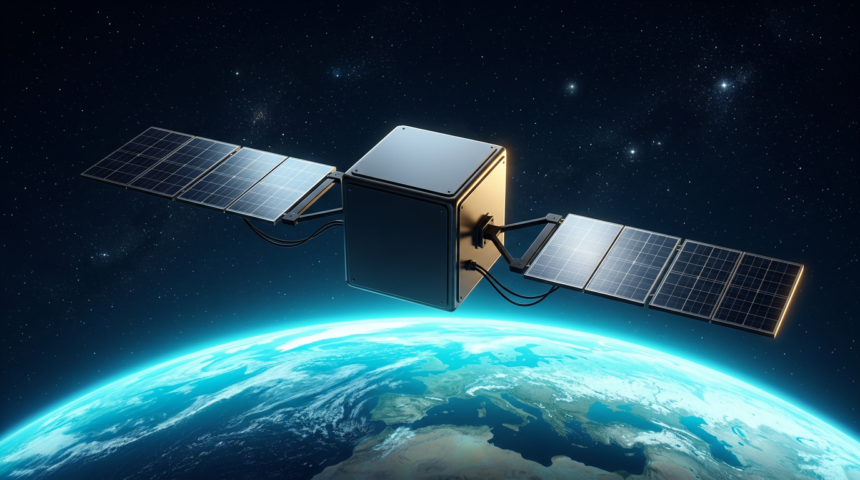
The Space Force is weighing a lower rung of orbit as insurance against losing everything above it. Officials say the service has made no decisions on fielding spacecraft between roughly 150 and 350km, a band known as very low Earth orbit, but is treating the region as an emerging area of interest.
Deputy Chief Science Officer Gillian Bussey said the altitude question is now a force-design question. Existing architectures already lean on proliferated small satellites in low Earth orbit for communications and missile warning. The next step down offers a trade: atmospheric drag and corrosive atomic oxygen make sustained flight hard, but the atmosphere also strips radiation and burns up debris within weeks.
The security argument is blunt. Drag and shielding make VLEO spacecraft cheaper, and a thinner slice of atmosphere blunts the effects of a high-altitude nuclear detonation on electronics passing through it. Bussey said a modest science and technology investment could buy rapid reconstitution, letting the service keep operating through a debris catastrophe or an exoatmospheric burst.
A gap China is already filling
Bussey’s real worry is asymmetry. China’s state aerospace industry plans a remote sensing constellation in VLEO by 2030 and has set up an industry alliance to coordinate standards and research. If Beijing can rebuild its orbital presence after a catastrophic event and Washington cannot, the United States loses an edge she called unacceptable.
Industry is moving first. SpaceX has FCC approval for a 15,000 satellite constellation between 326 and 335km, and Redwire is building DARPA’s Otter spacecraft to demonstrate air-breathing electric propulsion. DARPA said on November 5 it will also fly a subscale Otter mission of less than a day in late 2027, ahead of the full flight in fiscal 2028.